rehabilitation equipment amc in Faridabad
Rehabilitation Equipment Amc Services in Faridabad – Companies, Suppliers & Procurement Information
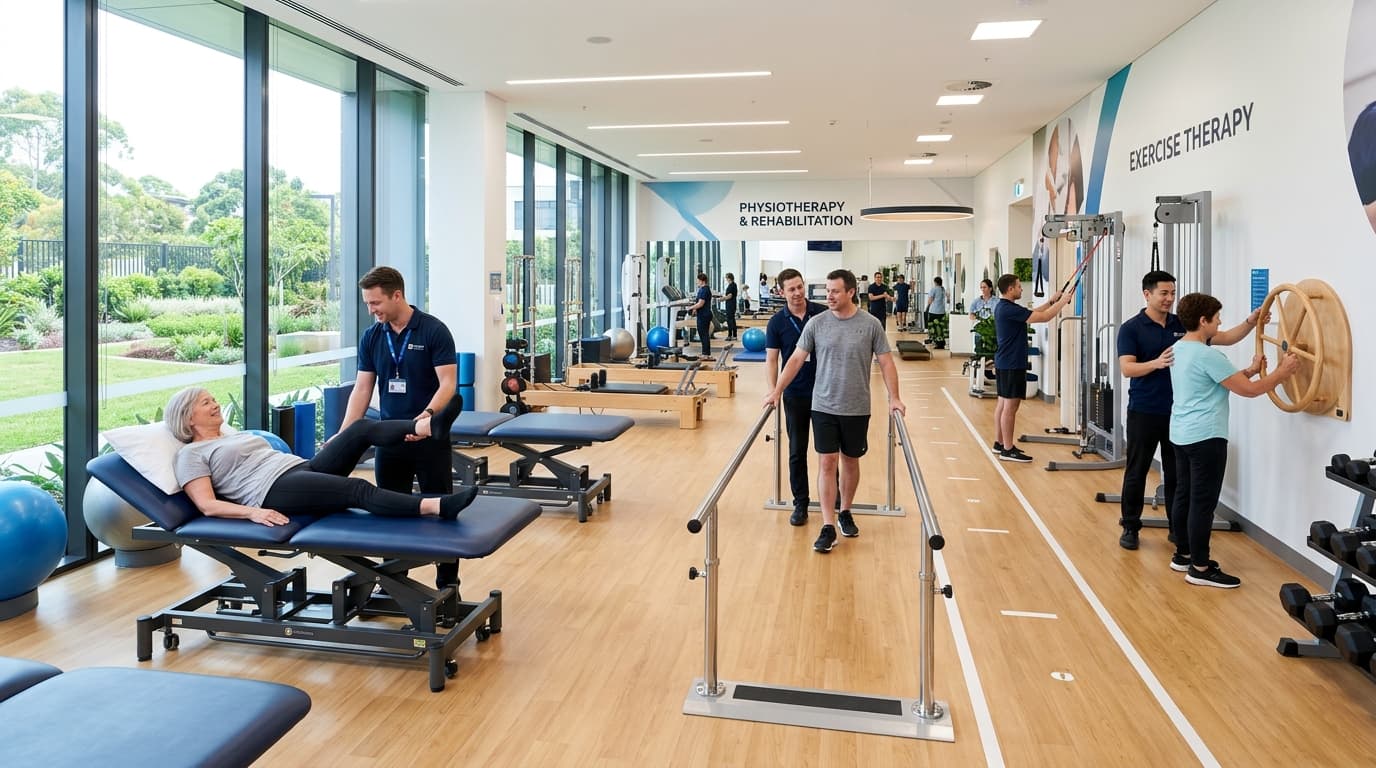
Clinical Rehabilitation
Modern rehabilitation equipment amc
Gait training stations, parallel bars, balance platforms, and active exercise therapy setups in Faridabad.
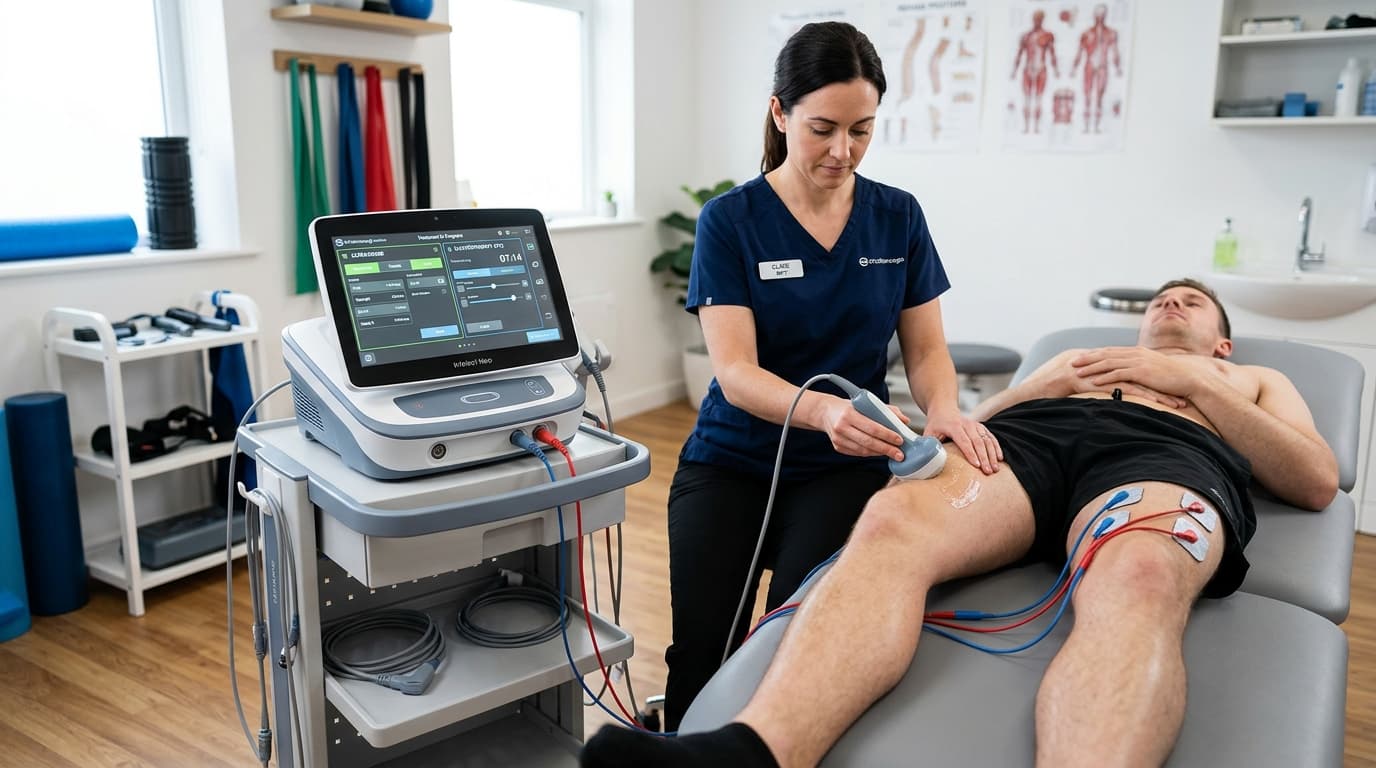
Mobility & Recovery
Functional Recovery Systems
Specialized resistance trainers, standing frames, and continuous passive motion devices for clinical therapy.
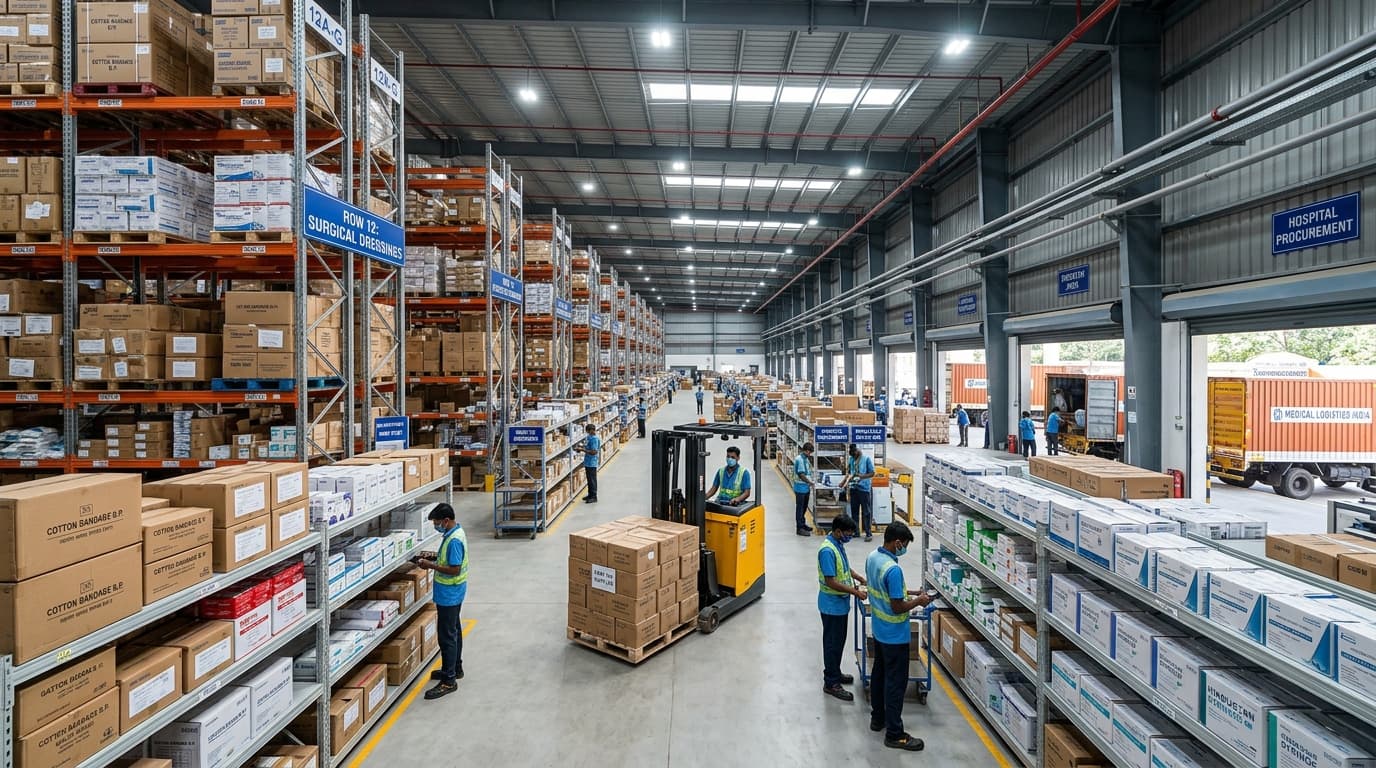
Wholesale Logistics
Bulk Dispatch & Healthcare Logistics
Wholesale rehabilitation inventory ready for immediate hospital, clinic, and institutional delivery across Pune.
Overview of rehabilitation equipment amc
Rehabilitation Equipment Amc Services in Faridabad – Companies, Suppliers & Procurement Information
Finding Companies and Suppliers in Faridabad
Yeda helps buyers discover companies, suppliers, manufacturers, dealers, distributors, traders, wholesalers, importers, exporters, retailers and service providers related to rehabilitation equipment in Faridabad. This page follows the specific search intent represented by the URL, allowing buyers to describe their requirement and seek relevant business responses. Supplier availability, brands, specifications and commercial terms can vary, so buyers should confirm current information directly before placing an order.
Understanding the Procurement Requirement
Before contacting businesses for rehabilitation equipment, define the exact requirement, application, quantity, preferred specification, expected delivery date and delivery location. Depending on the product, buyers may also need to specify size, material, capacity, configuration, brand preference, compatibility, packaging, warranty, documentation or service scope. A clear requirement helps suppliers understand what should be quoted and reduces confusion when comparing responses.
Companies, Manufacturers, Suppliers and Dealers
Different business types can serve different purchasing needs. Manufacturers may be relevant for production, customization or larger requirements. Distributors and dealers can provide access to particular brands or regional supply networks. Traders and wholesalers may support bulk procurement, while retailers can be useful for smaller quantities. Importers and exporters may handle specific sourcing requirements. Yeda is intended to help buyers discover these business categories in relation to rehabilitation equipment.
Specifications and Quality Checks
A quotation for rehabilitation equipment should be evaluated against the actual specification rather than only the product name. Ask for model, size, material, capacity, grade, configuration, compatibility and applicable documentation where relevant. For medical equipment, technical specifications, warranty and service support may be important. For PPE and surgical consumables, buyers may need to confirm material, size, packaging, intended use, sterility or other product-specific requirements. The exact requirements should be confirmed with the supplier.
Price, Price List and Quotation
The price of rehabilitation equipment can vary according to specification, brand, quantity, customization, taxes, freight, packaging and service requirements. A search result or indicative price should not be treated as a guaranteed final market price. Buyers should request a current quotation that clearly states quantity, specification, taxes, freight, delivery timeline, payment terms and any included services. Comparing quotations on the same specification gives a more meaningful commercial comparison.
Online Buying and Local Procurement
Buyers can use online enquiries to gather product information and quotations before making a procurement decision. Local Faridabad businesses may be useful when delivery speed, inspection, installation or service response is important. For bulk or recurring requirements, buyers can discuss scheduled supply, minimum order quantity, packaging, dispatch frequency and commercial arrangements with the relevant business.
Used, Refurbished, Rental and Hire Requirements
Where applicable to rehabilitation equipment, buyers may also explore used, refurbished, rental or hire options. For equipment, confirm age, condition, operating history, accessories, compatibility, service history and warranty or support. Rental or hire terms should clarify duration, deposit, transportation, installation, maintenance responsibilities and return conditions. For single-use products such as gloves, gowns or PPE, used or refurbished procurement is generally not the same type of requirement as reusable equipment and should be evaluated according to the product's intended use and safety requirements.
Repair, AMC, Calibration, Installation and Maintenance
For reusable equipment categories, buyers may require repair, AMC, calibration, installation, commissioning or maintenance. These services depend on the equipment model and service scope. Buyers should provide the model, issue or required service, site location and preferred schedule, then confirm visit charges, spare parts, response time and documentation. For consumable products, such service terms may not apply directly to the consumable itself; the relevant service may instead concern associated reusable equipment or infrastructure.
How to Send a Better Enquiry on Yeda
A useful Yeda enquiry should include the product name, required quantity, specification, application, delivery location, expected timeline and contact details. If the requirement is institutional or project-based, include the expected purchase schedule and documentation needs. Buyers can request product literature, quotation, availability, warranty or replacement terms and delivery details so that the information received can be compared consistently.
Business Discovery on Yeda
Yeda is designed for business discovery and enquiry generation. Buyers searching for rehabilitation equipment in Faridabad can use the relevant page to identify companies and suppliers and communicate their requirement. Business information, stock, prices and service coverage can change over time, so buyers should independently verify the latest details with the business before making payment, placing an order or scheduling service.
Frequently Asked Questions
Q1. How can I find rehabilitation equipment suppliers in Faridabad?A. Use Yeda to discover relevant companies and suppliers and submit your requirement for responses.
Q2. Can I ask for a quotation?A. Yes. Provide quantity, specification and delivery details and request a current quotation.
Q3. Can I compare suppliers?A. You can compare supplier responses based on specification, price, delivery, documentation and service terms.
Q4. Is the listed price final?A. Not necessarily. Confirm the current quotation, taxes, freight and other commercial conditions with the supplier.
Q5. Can I purchase in bulk?A. Bulk requirements can be discussed with manufacturers, wholesalers, distributors and other relevant businesses.
Q6. Are repair and AMC services available?A. For reusable equipment, service availability depends on the model and provider. Confirm the scope directly with the service provider.
Buyer and Procurement Guidance
Before selecting a rehabilitation equipment business, verify the exact product or service scope, company contact information, specification, quantity, delivery commitment, commercial terms and relevant documentation. For medical procurement, organizations may also have internal quality, regulatory, tender or approval requirements. Yeda supports discovery and enquiry generation; buyers should conduct their own verification before completing a transaction.
Content Scope Note
This Faridabad page is structured around the requested rehabilitation equipment search intent. It does not guarantee that every business offers every specification, service, brand, stock level or price described by the page. Supplier availability and commercial conditions should be confirmed directly. The purpose is to support relevant business discovery, enquiry generation and procurement research.
Specification Confirmation
For rehabilitation equipment, buyers can create a written procurement checklist before approaching businesses. The checklist should separate mandatory specifications from preferences and should use consistent units, quantities and terminology. When several suppliers receive the same requirement, their responses are easier to compare because the commercial discussion starts from the same specification.
Delivery terms should be confirmed in writing. Buyers should ask whether quoted freight, packaging, taxes, installation or commissioning are included. For equipment, clarify whether the supplier provides site support and whether the installation requires electrical, plumbing, networking or other site readiness. For consumables and protective products, confirm packaging, quantity per pack and expected dispatch schedule.
Documentation requirements can differ between a small purchase and an institutional or project procurement. Buyers may ask for product literature, model information, quotation, invoice details, warranty terms or other documents relevant to their procurement process. The supplier should confirm which documents it can provide rather than buyers assuming that every business has the same documentation.
Repeat procurement of rehabilitation equipment can benefit from clear vendor communication. Buyers can discuss recurring quantities, expected order frequency, dispatch timelines, minimum order quantities and escalation contacts. A supplier comparison should consider reliability of communication and fulfilment alongside the commercial quote, while keeping the evaluation based on verified information.
Yeda's business-discovery function is useful at the enquiry stage. A buyer can describe the requirement and use responses from relevant businesses to conduct an independent comparison. The existence of a listing or category page does not itself certify a supplier or guarantee current stock, price, quality, service capability or delivery performance.
Procurement Planning
For rehabilitation equipment, buyers can create a written procurement checklist before approaching businesses. The checklist should separate mandatory specifications from preferences and should use consistent units, quantities and terminology. When several suppliers receive the same requirement, their responses are easier to compare because the commercial discussion starts from the same specification.
Delivery terms should be confirmed in writing. Buyers should ask whether quoted freight, packaging, taxes, installation or commissioning are included. For equipment, clarify whether the supplier provides site support and whether the installation requires electrical, plumbing, networking or other site readiness. For consumables and protective products, confirm packaging, quantity per pack and expected dispatch schedule.
Documentation requirements can differ between a small purchase and an institutional or project procurement. Buyers may ask for product literature, model information, quotation, invoice details, warranty terms or other documents relevant to their procurement process. The supplier should confirm which documents it can provide rather than buyers assuming that every business has the same documentation.
Repeat procurement of rehabilitation equipment can benefit from clear vendor communication. Buyers can discuss recurring quantities, expected order frequency, dispatch timelines, minimum order quantities and escalation contacts. A supplier comparison should consider reliability of communication and fulfilment alongside the commercial quote, while keeping the evaluation based on verified information.
Yeda's business-discovery function is useful at the enquiry stage. A buyer can describe the requirement and use responses from relevant businesses to conduct an independent comparison. The existence of a listing or category page does not itself certify a supplier or guarantee current stock, price, quality, service capability or delivery performance.
Delivery and Logistics
For rehabilitation equipment, buyers can create a written procurement checklist before approaching businesses. The checklist should separate mandatory specifications from preferences and should use consistent units, quantities and terminology. When several suppliers receive the same requirement, their responses are easier to compare because the commercial discussion starts from the same specification.
Delivery terms should be confirmed in writing. Buyers should ask whether quoted freight, packaging, taxes, installation or commissioning are included. For equipment, clarify whether the supplier provides site support and whether the installation requires electrical, plumbing, networking or other site readiness. For consumables and protective products, confirm packaging, quantity per pack and expected dispatch schedule.
Documentation requirements can differ between a small purchase and an institutional or project procurement. Buyers may ask for product literature, model information, quotation, invoice details, warranty terms or other documents relevant to their procurement process. The supplier should confirm which documents it can provide rather than buyers assuming that every business has the same documentation.
Repeat procurement of rehabilitation equipment can benefit from clear vendor communication. Buyers can discuss recurring quantities, expected order frequency, dispatch timelines, minimum order quantities and escalation contacts. A supplier comparison should consider reliability of communication and fulfilment alongside the commercial quote, while keeping the evaluation based on verified information.
Yeda's business-discovery function is useful at the enquiry stage. A buyer can describe the requirement and use responses from relevant businesses to conduct an independent comparison. The existence of a listing or category page does not itself certify a supplier or guarantee current stock, price, quality, service capability or delivery performance.
Documentation and Business Verification
For rehabilitation equipment, buyers can create a written procurement checklist before approaching businesses. The checklist should separate mandatory specifications from preferences and should use consistent units, quantities and terminology. When several suppliers receive the same requirement, their responses are easier to compare because the commercial discussion starts from the same specification.
Delivery terms should be confirmed in writing. Buyers should ask whether quoted freight, packaging, taxes, installation or commissioning are included. For equipment, clarify whether the supplier provides site support and whether the installation requires electrical, plumbing, networking or other site readiness. For consumables and protective products, confirm packaging, quantity per pack and expected dispatch schedule.
Documentation requirements can differ between a small purchase and an institutional or project procurement. Buyers may ask for product literature, model information, quotation, invoice details, warranty terms or other documents relevant to their procurement process. The supplier should confirm which documents it can provide rather than buyers assuming that every business has the same documentation.
Repeat procurement of rehabilitation equipment can benefit from clear vendor communication. Buyers can discuss recurring quantities, expected order frequency, dispatch timelines, minimum order quantities and escalation contacts. A supplier comparison should consider reliability of communication and fulfilment alongside the commercial quote, while keeping the evaluation based on verified information.
Yeda's business-discovery function is useful at the enquiry stage. A buyer can describe the requirement and use responses from relevant businesses to conduct an independent comparison. The existence of a listing or category page does not itself certify a supplier or guarantee current stock, price, quality, service capability or delivery performance.
Institutional Purchasing
For rehabilitation equipment, buyers can create a written procurement checklist before approaching businesses. The checklist should separate mandatory specifications from preferences and should use consistent units, quantities and terminology. When several suppliers receive the same requirement, their responses are easier to compare because the commercial discussion starts from the same specification.
Delivery terms should be confirmed in writing. Buyers should ask whether quoted freight, packaging, taxes, installation or commissioning are included. For equipment, clarify whether the supplier provides site support and whether the installation requires electrical, plumbing, networking or other site readiness. For consumables and protective products, confirm packaging, quantity per pack and expected dispatch schedule.
Documentation requirements can differ between a small purchase and an institutional or project procurement. Buyers may ask for product literature, model information, quotation, invoice details, warranty terms or other documents relevant to their procurement process. The supplier should confirm which documents it can provide rather than buyers assuming that every business has the same documentation.
Repeat procurement of rehabilitation equipment can benefit from clear vendor communication. Buyers can discuss recurring quantities, expected order frequency, dispatch timelines, minimum order quantities and escalation contacts. A supplier comparison should consider reliability of communication and fulfilment alongside the commercial quote, while keeping the evaluation based on verified information.
Yeda's business-discovery function is useful at the enquiry stage. A buyer can describe the requirement and use responses from relevant businesses to conduct an independent comparison. The existence of a listing or category page does not itself certify a supplier or guarantee current stock, price, quality, service capability or delivery performance.
Bulk and Repeat Orders
For rehabilitation equipment, buyers can create a written procurement checklist before approaching businesses. The checklist should separate mandatory specifications from preferences and should use consistent units, quantities and terminology. When several suppliers receive the same requirement, their responses are easier to compare because the commercial discussion starts from the same specification.
Delivery terms should be confirmed in writing. Buyers should ask whether quoted freight, packaging, taxes, installation or commissioning are included. For equipment, clarify whether the supplier provides site support and whether the installation requires electrical, plumbing, networking or other site readiness. For consumables and protective products, confirm packaging, quantity per pack and expected dispatch schedule.
Documentation requirements can differ between a small purchase and an institutional or project procurement. Buyers may ask for product literature, model information, quotation, invoice details, warranty terms or other documents relevant to their procurement process. The supplier should confirm which documents it can provide rather than buyers assuming that every business has the same documentation.
Repeat procurement of rehabilitation equipment can benefit from clear vendor communication. Buyers can discuss recurring quantities, expected order frequency, dispatch timelines, minimum order quantities and escalation contacts. A supplier comparison should consider reliability of communication and fulfilment alongside the commercial quote, while keeping the evaluation based on verified information.
Yeda's business-discovery function is useful at the enquiry stage. A buyer can describe the requirement and use responses from relevant businesses to conduct an independent comparison. The existence of a listing or category page does not itself certify a supplier or guarantee current stock, price, quality, service capability or delivery performance.
Comparing Supplier Quotations
For rehabilitation equipment, buyers can create a written procurement checklist before approaching businesses. The checklist should separate mandatory specifications from preferences and should use consistent units, quantities and terminology. When several suppliers receive the same requirement, their responses are easier to compare because the commercial discussion starts from the same specification.
Delivery terms should be confirmed in writing. Buyers should ask whether quoted freight, packaging, taxes, installation or commissioning are included. For equipment, clarify whether the supplier provides site support and whether the installation requires electrical, plumbing, networking or other site readiness. For consumables and protective products, confirm packaging, quantity per pack and expected dispatch schedule.
Documentation requirements can differ between a small purchase and an institutional or project procurement. Buyers may ask for product literature, model information, quotation, invoice details, warranty terms or other documents relevant to their procurement process. The supplier should confirm which documents it can provide rather than buyers assuming that every business has the same documentation.
Repeat procurement of rehabilitation equipment can benefit from clear vendor communication. Buyers can discuss recurring quantities, expected order frequency, dispatch timelines, minimum order quantities and escalation contacts. A supplier comparison should consider reliability of communication and fulfilment alongside the commercial quote, while keeping the evaluation based on verified information.
Yeda's business-discovery function is useful at the enquiry stage. A buyer can describe the requirement and use responses from relevant businesses to conduct an independent comparison. The existence of a listing or category page does not itself certify a supplier or guarantee current stock, price, quality, service capability or delivery performance.
Questions Before Ordering
For rehabilitation equipment, buyers can create a written procurement checklist before approaching businesses. The checklist should separate mandatory specifications from preferences and should use consistent units, quantities and terminology. When several suppliers receive the same requirement, their responses are easier to compare because the commercial discussion starts from the same specification.
Delivery terms should be confirmed in writing. Buyers should ask whether quoted freight, packaging, taxes, installation or commissioning are included. For equipment, clarify whether the supplier provides site support and whether the installation requires electrical, plumbing, networking or other site readiness. For consumables and protective products, confirm packaging, quantity per pack and expected dispatch schedule.
Documentation requirements can differ between a small purchase and an institutional or project procurement. Buyers may ask for product literature, model information, quotation, invoice details, warranty terms or other documents relevant to their procurement process. The supplier should confirm which documents it can provide rather than buyers assuming that every business has the same documentation.
Repeat procurement of rehabilitation equipment can benefit from clear vendor communication. Buyers can discuss recurring quantities, expected order frequency, dispatch timelines, minimum order quantities and escalation contacts. A supplier comparison should consider reliability of communication and fulfilment alongside the commercial quote, while keeping the evaluation based on verified information.
Yeda's business-discovery function is useful at the enquiry stage. A buyer can describe the requirement and use responses from relevant businesses to conduct an independent comparison. The existence of a listing or category page does not itself certify a supplier or guarantee current stock, price, quality, service capability or delivery performance.
Local Supplier Communication
For rehabilitation equipment, buyers can create a written procurement checklist before approaching businesses. The checklist should separate mandatory specifications from preferences and should use consistent units, quantities and terminology. When several suppliers receive the same requirement, their responses are easier to compare because the commercial discussion starts from the same specification.
Delivery terms should be confirmed in writing. Buyers should ask whether quoted freight, packaging, taxes, installation or commissioning are included. For equipment, clarify whether the supplier provides site support and whether the installation requires electrical, plumbing, networking or other site readiness. For consumables and protective products, confirm packaging, quantity per pack and expected dispatch schedule.
Documentation requirements can differ between a small purchase and an institutional or project procurement. Buyers may ask for product literature, model information, quotation, invoice details, warranty terms or other documents relevant to their procurement process. The supplier should confirm which documents it can provide rather than buyers assuming that every business has the same documentation.
Repeat procurement of rehabilitation equipment can benefit from clear vendor communication. Buyers can discuss recurring quantities, expected order frequency, dispatch timelines, minimum order quantities and escalation contacts. A supplier comparison should consider reliability of communication and fulfilment alongside the commercial quote, while keeping the evaluation based on verified information.
Yeda's business-discovery function is useful at the enquiry stage. A buyer can describe the requirement and use responses from relevant businesses to conduct an independent comparison. The existence of a listing or category page does not itself certify a supplier or guarantee current stock, price, quality, service capability or delivery performance.
Yeda Enquiry Workflow
For rehabilitation equipment, buyers can create a written procurement checklist before approaching businesses. The checklist should separate mandatory specifications from preferences and should use consistent units, quantities and terminology. When several suppliers receive the same requirement, their responses are easier to compare because the commercial discussion starts from the same specification.
Delivery terms should be confirmed in writing. Buyers should ask whether quoted freight, packaging, taxes, installation or commissioning are included. For equipment, clarify whether the supplier provides site support and whether the installation requires electrical, plumbing, networking or other site readiness. For consumables and protective products, confirm packaging, quantity per pack and expected dispatch schedule.
Documentation requirements can differ between a small purchase and an institutional or project procurement. Buyers may ask for product literature, model information, quotation, invoice details, warranty terms or other documents relevant to their procurement process. The supplier should confirm which documents it can provide rather than buyers assuming that every business has the same documentation.
Repeat procurement of rehabilitation equipment can benefit from clear vendor communication. Buyers can discuss recurring quantities, expected order frequency, dispatch timelines, minimum order quantities and escalation contacts. A supplier comparison should consider reliability of communication and fulfilment alongside the commercial quote, while keeping the evaluation based on verified information.
Yeda's business-discovery function is useful at the enquiry stage. A buyer can describe the requirement and use responses from relevant businesses to conduct an independent comparison. The existence of a listing or category page does not itself certify a supplier or guarantee current stock, price, quality, service capability or delivery performance.
Related Medical & Bandage Services in Faridabad
Explore All Medical Equipment & Healthcare in Faridabad
Browse verified distributors, dealers, and suppliers across Faridabad.
Verified Medical Equipment Directory & Hospital Supplies
Find medical products, hospital consumables, and healthcare equipment suppliers.