Electrolyte Analyzer Quotation in Pune
Yeda helps buyers explore electrolyte analyzer quotation through a structured healthcare equipment marketplace. The page supports discovery of relevant suppliers, dealers, distributors and service providers, quotation enquiries, and comparison of technical and commercial requirements.
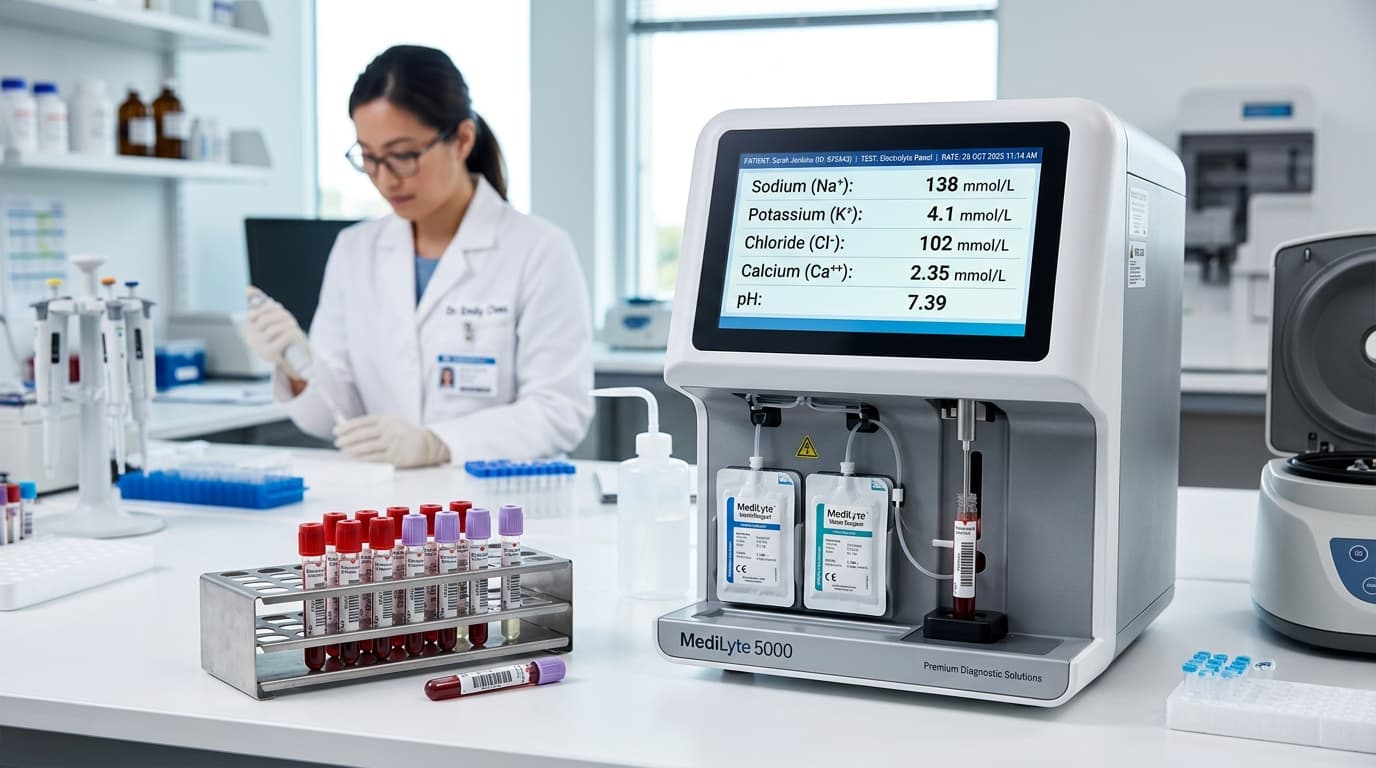
Laboratory Diagnostics
Clinical Electrolyte Analyzer Quotation
High-throughput automated electrolyte analyzer with ISE technology measuring Na+, K+, Cl-, and iCa++ ions with precision in diagnostic labs across Pune.
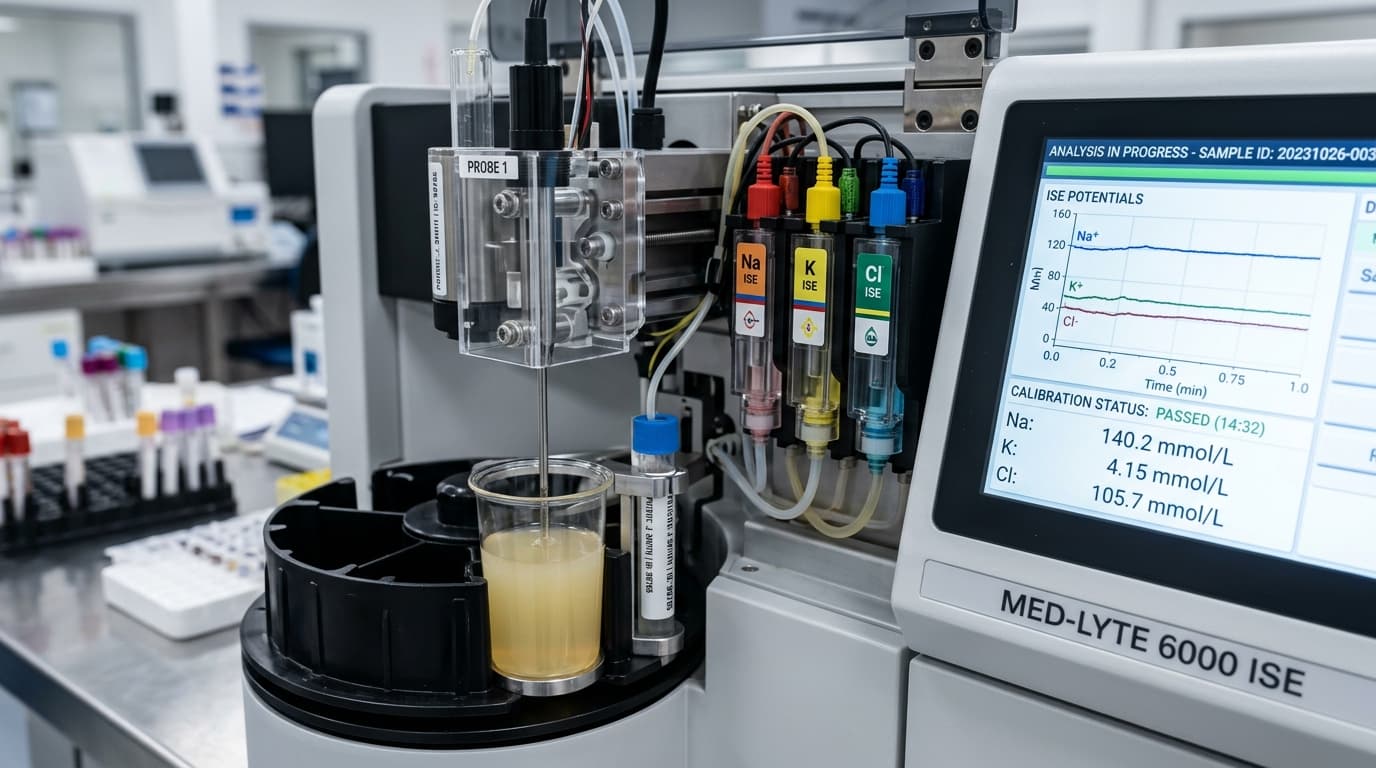
ISE Ion Sensors
Direct ISE Sample Testing
Maintenance-free ion-selective electrode sensors and automated liquid calibration ensuring rapid 60-second turnaround times for critical ICU and pathology samples.
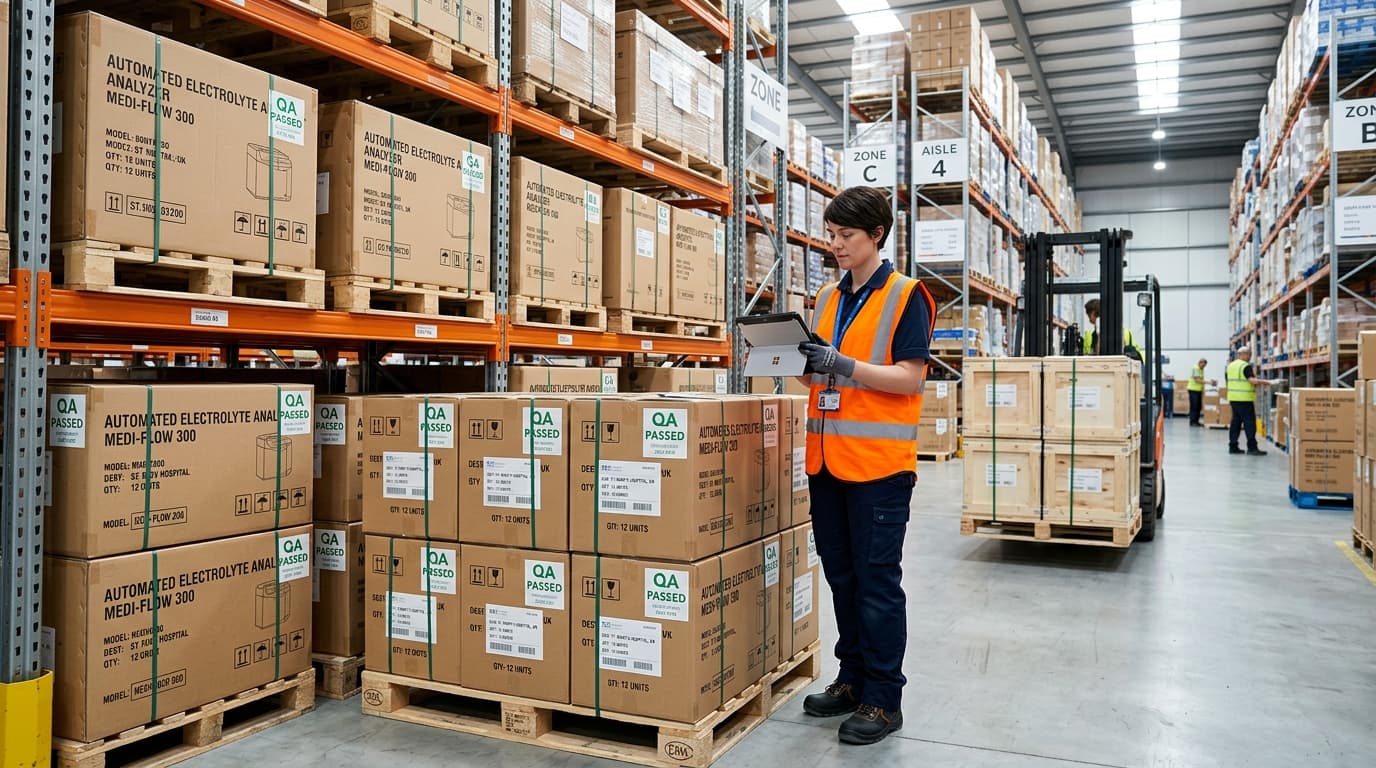
Wholesale Logistics
Bulk Dispatch & Lab Setup
Wholesale inventory of semi-automated and fully automated electrolyte analyzers ready for rapid installation, reagent pack supply, and calibration in Pune.
Understanding Electrolyte Analyzers
An electrolyte analyzer is a laboratory instrument used to measure selected electrolytes in biological samples. Depending on the model, systems may measure ions such as sodium, potassium and chloride, while some configurations support additional parameters. Electrolyte analyzers are commonly used in clinical laboratories and healthcare settings where rapid electrolyte measurement is part of the testing workflow. Exact capabilities vary by model.
Types and Configurations
Electrolyte analyzers may be available as compact or benchtop systems, semi-automated instruments, fully automated systems, and configurations designed for routine or higher-volume laboratory workflows. Some systems use ion-selective electrode technology and may provide automated calibration, quality-control functions, sample handling and result storage.
Applications of Electrolyte Analyzers
Electrolyte analyzers are used in hospitals, diagnostic laboratories, pathology centres, clinics, emergency-care laboratories and research environments. They can support measurement of electrolytes in appropriate biological samples according to the analyzer's validated sample types and manufacturer instructions. The selected configuration should match the laboratory's test menu, workload and operating procedures.
Key Specifications to Evaluate
Buyers should review the supported electrolyte parameters, sample type and volume, measurement technology, throughput, calibration method, reagent or consumable requirements, electrode life, quality-control features, result reporting, data storage, printer or connectivity options, LIS compatibility, maintenance requirements, warranty and technical support.
Electrolyte Analyzer Price and Quotation
Electrolyte analyzer pricing depends on the number of measured parameters, automation level, throughput, electrode system, consumables, software, accessories and service package. A quotation should clearly state the model, technical configuration, included accessories, consumables, taxes, delivery, installation, training, warranty and after-sales support. Comparing quotations against the same technical specification provides a clearer procurement basis.
Installation and Laboratory Setup
Before installation, laboratories should confirm electrical supply, bench space, environmental conditions, sample workflow, consumable storage and network connectivity where required. Installation and commissioning should follow the manufacturer's instructions and the laboratory's applicable quality procedures.
Calibration, Quality Control and Maintenance
Electrolyte analyzers require routine calibration and quality-control activities appropriate to the instrument and laboratory workflow. Maintenance can include cleaning sample paths, checking electrodes and fluidic components, replacing specified consumables and performing manufacturer-recommended performance checks. Service providers may offer preventive maintenance, breakdown repair and annual maintenance contracts.
Used and Refurbished Electrolyte Analyzers
Used or refurbished analyzers may be considered when suitable for the laboratory's workload and budget. Buyers should verify operating condition, service history, electrode condition, software status, calibration or verification records where applicable, consumable compatibility, accessories, replaced components and warranty coverage before purchase.
How Yeda Helps Buyers
Yeda provides a structured way to discover healthcare equipment businesses and submit requirements. Buyers can identify suppliers, dealers, distributors and service providers, request quotations and compare technical and commercial information. Product specifications, warranty, service terms and delivery commitments should be verified directly with the selected provider.
Electrolyte Analyzer Buying Checklist
Check calibration, quality-control and electrode requirements
Confirm consumables and their availability
Review LIS or connectivity requirements
Ask for installation, training, warranty and service details
For used or refurbished equipment, request service and condition records
Electrolyte Analyzer Enquiry Information
A useful enquiry should include analyzer type, required parameters, expected samples per day, sample type and volume, automation preference, consumable requirements, connectivity needs, installation location, warranty expectations and service support. These details help suppliers prepare an appropriate technical and commercial proposal.
Common Electrolyte Analyzer Terms
Ion-selective electrode (ISE) technology is commonly used for electrolyte measurement. Sodium, potassium and chloride are common electrolyte parameters supported by many analyzers. Calibration establishes the measurement relationship using specified standards, while quality control uses defined materials and procedures to monitor analytical performance. Exact methods, parameters and maintenance requirements vary by instrument.
Procurement and Service Notes
Maintain a common comparison sheet covering model, parameters, sample volume, throughput, measurement technology, electrodes or consumables, installation, training, calibration and quality-control support, warranty, service response, preventive maintenance and delivery. Laboratories should retain quotations, technical documents, quality records and service reports according to their internal procedures.
Related Medical & Bandage Services in Pune
Explore All Medical Equipment & Healthcare in Pune
Browse verified distributors, dealers, and suppliers across Pune.
Verified Medical Equipment Directory & Hospital Supplies
Find medical products, hospital consumables, and healthcare equipment suppliers.
Sister Healthcare & Product Pages in Pune: